
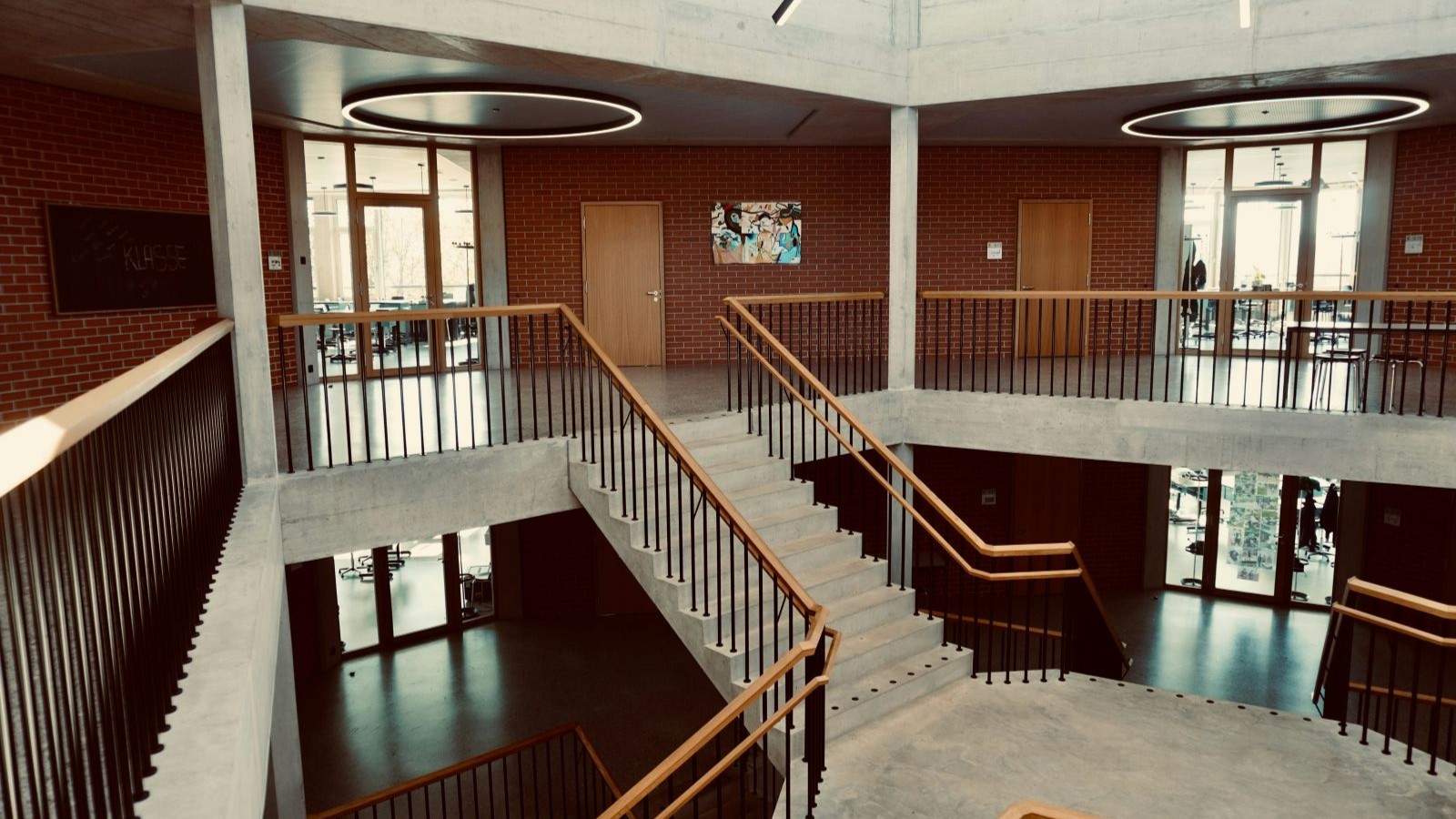
Designing for Everyone: The Power of Universal Design
Imagine a city where every person, regardless of their physical or sensory ability, moves through their day with total independence. Imagine public spaces, schools, and workplaces that do not require special accommodations because they were built with every person in mind from the very first blueprint. This is not a distant dream. It is the practical, achievable goal of universal design.
What is universal design if not a commitment to fairness and human dignity? It is the philosophy of creating environments, products, and services that are usable by everyone to the greatest extent possible, without the need for adaptation or specialized design. When we design for the full spectrum of human experience, we create a more functional, welcoming world for everyone.
Why Accessibility is for Everyone
True inclusion is not about creating separate spaces for some. It is about acknowledging that we all navigate the world differently, whether we are young, old, living with a disability, or simply navigating daily life with different needs. When we prioritize disability inclusion, we move away from the idea of fixing individuals and instead look at fixing the environment.
By building a world that works for everyone, we remove the barriers that prevent people from living with independence and agency.
The Core of Universal Design Principles
The Universal Design Principles provide a clear roadmap for how we can build a more equitable world. They remind us that design should be simple, intuitive, and flexible enough to accommodate a wide range of human abilities. Whether it is a building or a digital tool, these principles help us ensure that no one is left behind due to poor planning. They serve as a guide for architects and designers to create spaces that do not just meet a code, but truly welcome all people.
Creating Barrier-Free Infrastructure
In our cities, barrier-free infrastructure is the backbone of an inclusive society. This means more than just curb cuts on sidewalks. It includes tactile paving for those with visual impairments, audible traffic signals, and clear, high-contrast signage that is easy to read for everyone. Think of a railway station where a person with a mobility challenge can move from the entrance to the platform without needing assistance. That is the goal we work toward with our partners. By integrating these features into the fabric of our cities, we as a society ensure that public life is truly open to all.
Why Inclusive Design Matters
Inclusive design is not just a trend or a checkbox for compliance. It is a fundamental shift toward valuing every member of our society. When we embrace this mindset, we foster a sense of belonging. It allows persons with disabilities to participate in the workforce, attend schools, and enjoy accessible public spaces on their own terms. When we build for diversity, we build for a future where everyone has the opportunity to thrive.
Universal Design for Accessibility
Adopting universal design for accessibility means we stop viewing disability as a problem to be solved and start viewing exclusionary design as the failure. It is about creating systems that function well for the person with a visual impairment just as they do for the person with full sight. When we share this vision, we empower communities to demand better standards. We are not just building structures, we are building a foundation for equal rights.
Practical actions for a Better Future
We can start by questioning the designs we see around us. Are the doors wide enough? Is the lighting bright enough to help someone with low vision? Is the information provided in multiple formats? By advocating for these changes, we hold our planners and developers accountable. It is time we stop viewing accessibility as a special requirement and start seeing it as a standard of quality for a just society.
Real-Life Examples of Universal Design
To truly understand the impact of this approach, we only need to look at everyday innovations that benefit us all. Here are a few common examples of universal design in action:
- Automatic Sliding Doors: While essential for someone using a wheelchair, a walker, or crutches, automatic doors are equally helpful to a parent pushing a stroller, a delivery worker carrying heavy boxes, or a shopper with full hands.
- Curb Cuts and Ramps: Originally championed to create accessible sidewalks for wheelchair users, curb cuts now seamlessly assist travelers with rolling luggage, cyclists, and the elderly.
- Closed Captioning: Designed to make television and video content accessible for the Deaf and hard-of-hearing community, captions are now widely used by people watching videos in noisy public transit or those learning a new language.
- Voice-Controlled Technology: Smart home assistants allow individuals with limited mobility or visual impairments to control lighting and appliances effortlessly, while offering hands-free convenience for everyone else.
Building an Inclusive Tomorrow
Every action we take toward creating accessible, intuitive environments brings us closer to a society that celebrates our differences rather than being challenged by them. Let us build with intention, heart, and a vision that includes everyone.
Ready to help us create lasting change?
Join our mission to build a world where everyone belongs, thrives and grows surpassing the barriers . Let us make inclusion our new normal.